
Surge Protection In Your Home – Part One
Surge Protection In Your Home - Part One
Learn more about electrical surges and what they do
In our increasingly digital age, our homes are filled with a multitude of electronic devices and appliances. From smart TVs and home automation systems to laptops and refrigerators, these devices are integral to our daily lives.
However, they are also vulnerable to power surges, which can cause significant damage. This is where surge protection comes into play. Investing in surge protection for your home is not just a precautionary measure; it’s a smart decision that offers numerous benefits.
In this two part series, we will take a look at what electrical surges are, what they do, and the key advantages and disadvantages of surge protection so you make an educated decision on what type and how much surge protection is right for you.
 What Is An Electric Surge?
An electric surge, also known as a power surge or transient voltage, is a sudden and brief spike in electrical voltage within a circuit. These surges can last from a few microseconds to several milliseconds and can vary in intensity.
What Causes An Electric Surge?
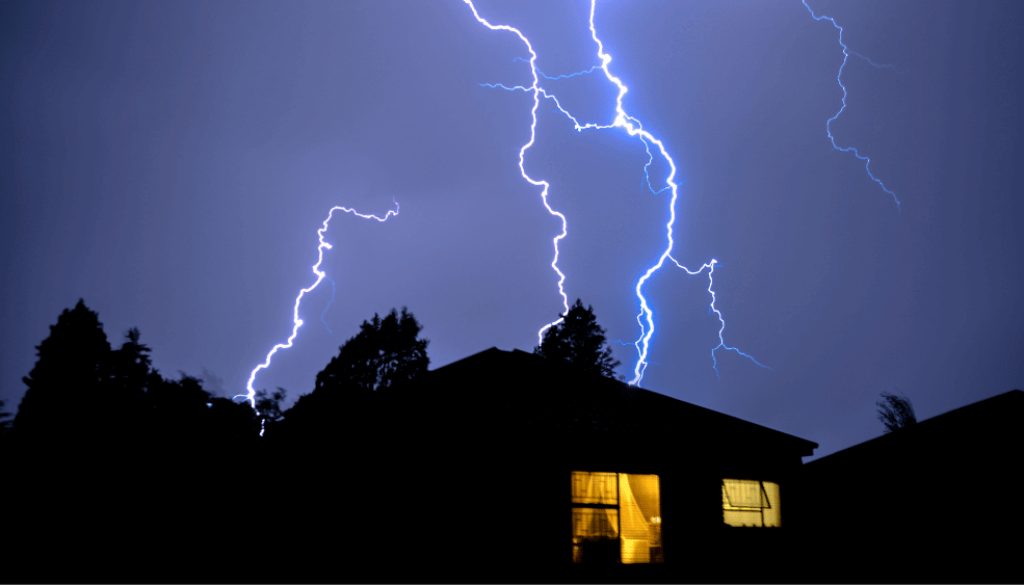
- Lightning Strikes: One of the most powerful sources of surges, a lightning strike near a power line can send a massive surge of electricity through the electrical grid.
- Power Outages and Restorations: When the power goes out and is then suddenly restored, it can cause a surge due to the sudden influx of electricity (voltage).
- Electrical Overloads: When too many high-power devices are connected to a single circuit, it can create an overload current and lead to surges.
- Faulty Wiring: Poor or outdated wiring can cause irregularities in the electrical flow, leading to surges.
- Cycling of High-Power Appliances: Large appliances like air conditioners and refrigerators can cause small, frequent surges when they turn on and off.
What Does An Electric Surge Do?
- Damage Electronics: Surges can burn out circuit boards, fry microchips, and cause other internal damage to electronic devices.
- Data Loss: Surges can corrupt data stored on computers, external drives, and other digital storage devices.
- Reduced Lifespan of Devices: Repeated exposure to even minor surges can wear down the internal components of electronic devices, reducing their overall lifespan.
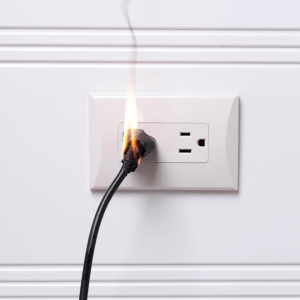
- Potential Fire Hazard: In severe cases, surges can cause electrical fires, particularly in homes with outdated or faulty wiring.
Customizing A Surge Protection Plan For Your Home!
Deciding on how much and what type of surge protection is based on you and your lifestyle and what you have in your home and it is not difficult.
Using the following steps, you can come up with a plan that is right for you and your family:
- Assess where you are vulnerable:
- List the items in your home that have electronics in them. Today, we are more dependant than ever on electronics and they are very susceptible to surges. Even washing machine manufacturers started using electronics in the 1970-80’s so there are unlikely to be many appliances in your home that are exempt. So include your appliances, computers, outlets being used for chargers, and anything else that may be liable to be damaged by a surge.
- What is the replacement value of each of these items?
- This will help you determine the extent to which you want to go to protect these devices. There are a lot of factors to consider besides cost: things like availability of replacement items and quality of your life if something you are used to using suddenly stops working, how long you are willing to go without, and dealing with the insurance company. The most logical solution is to protect what you have so you are less likely to have to go through the hassle.
Stay tuned for more information on the advantages of disadvantages of adding surge protection to your home. You can also visit our social media pages on Facebook and Instagram (@nutekelectric) for more tips and information such as learning to make educated decisions about adding surge protection in your home!


