
Surge Protection In Your Home – Part Two
Now that you have an understanding of power surges and what you need to look for in a good surge protector, let’s look at some of the key advantages and disadvantages of surge protection so you can make an educated decision on what type and how much surge protection is right for you.
Advantages of Surge Protection
Protection of Electronic Devices and Appliances
The primary benefit of surge protection is protecting your valuable electronic devices and appliances. As discussed previously, power surges can deliver a sudden and potentially damaging burst of electricity (voltage). Surge protectors act as a barrier, absorbing or redirecting this excess electricity and preventing it from reaching and damaging your devices.
Increased Lifespan of Electronics
Consistent exposure to even minor power surges can wear down the internal components of your electronic devices over time, reducing their lifespan. By using surge protectors, you can ensure a steady and safe flow of electricity to your devices, which helps to maintain their performance and longevity. This means you can enjoy your gadgets and appliances for many more years without the worry of premature failure.
Cost Savings
Replacing damaged electronics can be a costly endeavor. A single power surge can result in the loss of multiple devices, leading to unexpected expenses. Surge protectors are a relatively inexpensive investment that can save you a significant amount of money in the long run by preventing the need for costly repairs or replacements. Additionally, many surge protectors come with warranties that can cover damages to connected devices, providing further financial security.
Protection Against Lightning Strikes
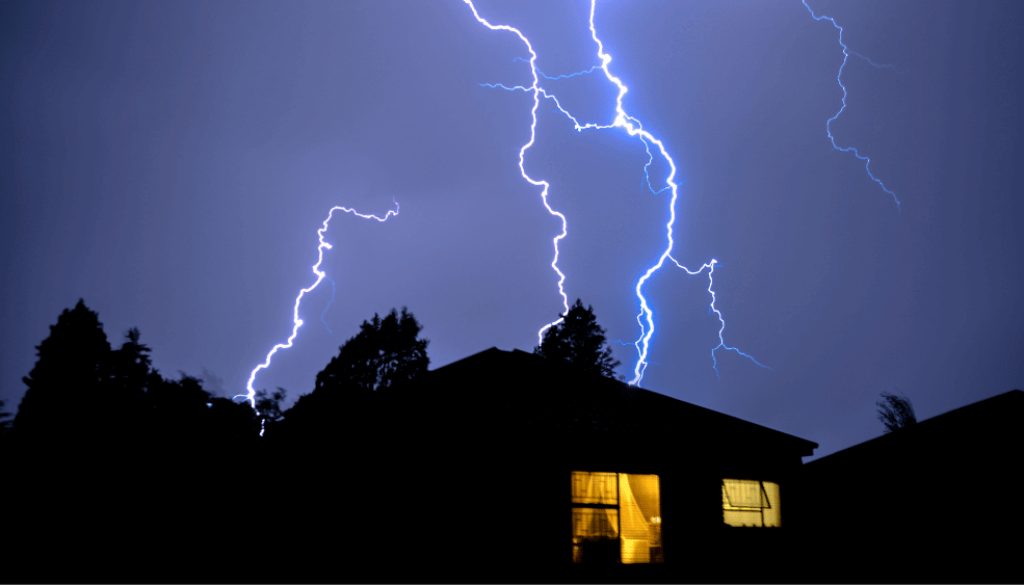
Lightning strikes are a common cause of severe power surges. A direct or nearby lightning strike can send a massive surge of electricity through your home’s wiring, potentially causing extensive damage. Panel surge protection systems are designed to handle these large surges, offering robust protection against such catastrophic events. By installing panel surge protection, you can have peace of mind knowing that your entire electrical system is shielded from lightning-induced surges.
Enhanced Home Safety
Power surges can sometimes cause electrical fires, posing a significant risk to your home and family. By preventing excess electricity from reaching your wiring and appliances, surge protectors reduce the risk of electrical fires. This added layer of safety is especially important in homes with older wiring or electrical systems that may be more susceptible to surge-related issues.
Maintaining Data Integrity
In addition to protecting hardware, surge protectors play a crucial role in maintaining the integrity of your data. Computers, external hard drives, and other data storage devices are vulnerable to power surges that can result in data corruption or loss. Surge protection helps ensure that your important files, documents, and memories are kept safe from sudden electrical disruptions.
Uninterrupted Home Automation and Entertainment
With the rise of smart homes and home automation systems, maintaining a constant power supply to your connected devices is essential. Surge protectors help prevent disruptions to your home automation network, ensuring that your smart lights, thermostats, security systems, and other connected devices continue to function seamlessly. Similarly, your home entertainment systems, including TVs, sound systems, and gaming consoles, will be better protected against interruptions, allowing you to enjoy a more consistent and enjoyable experience.
Disadvantages of Surge Protection
Initial Investment
One of the primary disadvantages of surge protection is the initial cost. High-quality surge protectors, especially whole-house systems, can be expensive to purchase and install. While this investment can save money in the long run by preventing damage to your devices, the upfront cost may be a deterrent.
Not Foolproof
While surge protectors can provide significant protection, they are not foolproof. Extremely large surges, such as those from a direct lightning strike, may exceed the protection capacity of even the best surge protectors. This means that there is still a risk of damage in extreme cases, despite having surge protection in place.
Potential for False Sense of Security
Having surge protection can sometimes lead to a false sense of security. Homeowners might neglect other important electrical safety practices, assuming that their surge protectors will handle all potential issues. It’s important to remember that surge protectors are just one component of a comprehensive electrical safety plan.
Maintenance and Monitoring
Surge protectors require monitoring and maintenance to ensure they are functioning properly. This includes checking indicator lights, especially after a major surge, and ensuring they are not blown and are still working. Neglecting this maintenance can reduce the effectiveness of the surge protector and leave your devices vulnerable.
Conclusion
Surge protection is an often overlooked yet vital component of a safe and efficient home electrical system. By investing in surge protectors, you can protect your electronic devices, save money, enhance home safety, and ensure the longevity of your valuable gadgets.
In today’s tech-savvy world, surge protection is not just a luxury; it’s a necessity but by being aware of the disadvantages, you can better evaluate your needs and make an informed decision about the type and extent of surge protection that is needed in your home.
Take the step and enjoy the peace of mind that comes with knowing your devices are well-protected!


